
Top 4 Online Tools for Executors
Four great online executor tools.
Serving as an executor of an estate for someone after they die is an important and complex role. The person who named you has trusted you to handle their financial affairs and real estate.
Being an executor is typically no small job.
As executor, your duties include following the deceased person’s wishes, settling their final bills, meeting the requirements of the probate court, getting copies of their death certificates, and distributing any inheritances to beneficiaries, plus more.
There are also small things you might miss, like having to change passwords for their email accounts (among other online accounts).
It can be stressful, especially since as an estate executor you are personally and legally liable if things aren’t handled properly.
Fortunately, online tools can ease the burden of being executor.
The best executor software (sometimes called estate software or estate management software) walks you through the hundreds of tasks that come with settling an estate, keeps your records in one place, and helps you track progress across the year or more probate usually takes. Below are four tools worth knowing, starting with a free option built specifically for executors.
These tools will provide advice and keep you on track during the long process of settling an estate, which in most cases takes at least a year.
Here are the top 4 online tools for executors
The top tools are:
1. Executor.org
Executor.org was solely created to be the best free online resource for executors.
Our site gives you a detailed, step-by-step plan customized to your specific situation. There are also helpful videos, recordkeeping tools, and blog articles filled with tips that help simplify the job. (Such as this executor checklist.)
Here’s what estate planning attorney professionals are saying about us:
 “Executor.org is a valuable resource for Executors to use in navigating the difficult process of administering an Estate. It provides extensive practical information, and is a product I will recommend to my clients.”
Matthew H. McArdle
Fischer, Bessette, Muldowney & Hunter, LLP,
Estate Attorneys
Best of all, you can sign up for full access right now for free.
2. American College of Trust and Estate Counsel
The counsel’s website offers a number of online executor tools that you might find helpful.

For example, the counsel has compiled state-by-state details on whether estate taxes must be paid and at what rate.
They also have a family estate planning guide for those who need help planning their own estate, plus educational videos about topics such as What is a Revocable Trust and Do I Need One?
3. NOLO’s “The Executor’s Guide”
NOLO has been publishing do-it-yourself legal advice guides for more 45 years to help those without a law degree navigate legal matters.
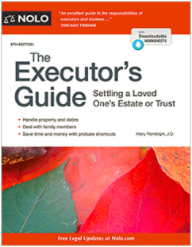
With “The Executor’s Guide,” they provide a roadmap for settling an estate. This e-book (which currently is listed for $39.99) can also be purchased as a hard copy.
4. Everplans
Everplans is primarily an online resource that helps individuals do estate planning and document their final wishes.

For example, you can read Six Warning Signs That You’re Choosing the Wrong Executor.
However, the site also includes resources for those serving in the executor role as personal representatives. For example, How to Submit a Will to Probate Court.
Being an executor of an estate can be taxing, stressful and confusing. It can be even more challenging if there is real estate involved.
Fortunately, help is available from a variety of resources, including ones you can access on your laptop in just seconds.
Use these online tools to ease the burden of being an executor. Create a custom plan on Executor.org to assist you in the process.
You can start now for free by clicking here.
Here’s a testimonial from William Lee in Oxnard, California:
“I wish that I would have discovered this site several months ago when I became the executor of my sister’s estate. It would have saved me time and frustration. I intend to share it with my son who will have that responsibility for me.”
William Lee
Oxnard, California
Note: We can not, by law, provide you with legal advice. We can assist in settling an estate, but it’s still a good idea to hire an estate planning attorney or law firm for legal advice.
Frequently asked questions
What is executor software?
Executor software is a tool that helps you manage the work of settling an estate: a task checklist customized to your situation, a place to store account info and documents, and progress tracking as you close things out. Some tools are web-based, some are downloadable, and features vary widely.
Is there free executor software?
Yes. Executor.org gives you a free custom plan, free content, and free basic tracking. Paid features (unlimited AI assistance, saving your progress across visits, storing account data in a secure vault) run $8 a month, billed annually. Those costs are typically reimbursable by the estate.
What does executor software do?
A good executor tool walks you through what to do and when, so nothing slips through. That means a task list built from your specific situation (state, will or no will, real estate, minor children), instructions for each task, and a place to keep track of accounts, contacts, and documents as you gather them.
What features should executor software have?
Look for a custom task plan (not a generic checklist), state-specific probate guidance, a secure place to store account details and documents, progress tracking so you can pause and pick up later, and a way to ask questions when you get stuck. Bonus points for something you can share with a co-executor or family member.
Do I need software to settle an estate?
You can settle an estate with paper, spreadsheets, and phone calls. Software helps because there are hundreds of small tasks, they happen over 12 to 24 months, and missing one can cost the estate money or land you in trouble with the probate court. A good tool keeps the list in front of you and tracks what you've done.
What's the difference between executor software and estate planning software?
Estate planning software is for the person still alive, writing a will and organizing their wishes. Executor software is for the person handling the estate after death, working through probate, paying debts, and distributing assets. Different jobs, different tools. A few products try to do both, but most specialize.
Can executor software replace an estate attorney?
No, and it shouldn't try to. Software is good at tracking tasks, storing information, and reminding you what to do next. An attorney is what you need for probate filings, tax questions, and any dispute that comes up. Executor.org helps you stay organized so your time with the attorney is faster and cheaper.
Use our tool to simplify the process and minimize your stress.